

Ward Administrators Trained on Public Contract Monitoring
Advancing Transparency and Accountability at the Ward Level
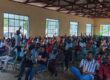
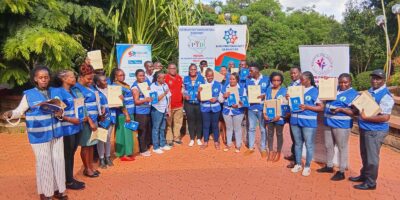
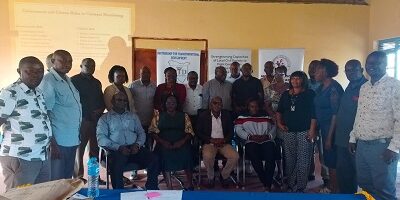
In a significant step toward strengthening governance at the grassroots level, the Makueni Civil Society Network (MACSON), in collaboration with PTD Kenya and development partners, convened a one-day capacity building training for Ward Administrators in Makueni County.
The training, held at Makueni Vocational Social Hall in Wote, brought together 27 Ward Administrators out of the targeted 30, alongside representatives from MACSON and the PTD Secretariat. The session forms part of Activity 2.2: Establish Public Advocacy Campaign Platforms on Social Accountability, Access to Information and Anti-Corruption under the TUNU Project.
The meeting commenced with a word of prayer by Ms. Elizabeth Maweu (Ward Administrator – Muvau/Kikumini Ward). The Director of County Administration, Mr. Victor Matheka, officially called the meeting to order and guided introductions.
Participants shared clear expectations, including:
-
Strengthening their knowledge in public procurement and contract monitoring
-
Understanding social accountability principles
-
Identifying procurement red flags
-
Enhancing collaboration between CSOs and government
-
Promoting transparency and citizen participation
Special appreciation was extended to H.E. Mutula Kilonzo Jr. for fostering an enabling environment that supports collaboration between civil society and county government in advancing accountability and access to information.
Building Capacity Through the “Citizen Watch” Module
At the heart of the training was the introduction of the module:
Citizen Watch: Monitoring Public Contracts Through Social Accountability in Kenya
The module aims to strengthen citizen oversight in procurement and public contracting processes at both community and county levels.
Key Focus Areas Included:
-
Legal and policy frameworks governing procurement
-
Procurement methods and contract management processes
-
Social accountability tools (social audits, community scorecards, public expenditure tracking)
-
Identifying corruption red flags
-
Practical community monitoring approaches
The training was facilitated by Ms. Grace Mumo, Social Accountability Champion and Executive Director – Hope in The Desert, who delivered practical and relatable examples drawn from county-level projects.
Key Themes Explored
1️⃣ Social Accountability Principles
Participants explored the meaning and purpose of social accountability, emphasizing transparency, participation, and responsiveness. Discussions highlighted the shared responsibility between citizens, administrators, and oversight institutions.
2️⃣ Public Procurement & Contracting
Ward Administrators deepened their understanding of:
-
Citizen rights to access information
-
Legal responsibilities of public officers
-
Stages of procurement and contract implementation
3️⃣ Procurement Methods & Monitoring
Sessions covered open tendering, request for quotations (RFQs), direct procurement, and community-driven development approaches. Practical insights were provided on monitoring contract implementation to prevent losses and inefficiencies.
Critical Reflections & Realities on the Ground
Participants underscored the urgent need to:
-
Identify priority projects requiring social audits
-
Strengthen public participation structures
-
Improve communication on project designs, budgets, and timelines
-
Extend similar trainings to MCAs, engineers, contractors, and chief officers
A notable case discussed was the Athi-Mavindini Water Project (FLLoCA), cited as requiring urgent audit due to reported vandalism and theft of solar panels, pumps, and pipes. The case reinforced the importance of proactive monitoring and community oversight.
Lessons Learned
What Worked Well:
-
Strong attendance and engagement (27/30 administrators)
-
Open dialogue and experience sharing
-
Positive willingness from county staff to collaborate with CSOs
-
Practical facilitation using real-life county examples
Areas for Improvement:
-
Need for extended training duration
-
Provision of pre-training materials
-
Inclusion of field-based case studies or site visits
-
Distribution of digital procurement laws and tools
Recommendations & Way Forward
The training concluded with actionable recommendations to sustain momentum:
✔ Conduct refresher trainings and training needs assessments
✔ Expand advocacy to include budgeting and audit cycles
✔ Train additional stakeholders (MCAs, engineers, contractors, media, religious leaders)
✔ Establish ward-level accountability forums
✔ Strengthen the tripartite accountability model (CSOs + Media + Religious Leaders + Political Leaders)
✔ Develop simplified procurement monitoring guides
✔ Promote awareness of the Access to Information Act
✔ Conduct a joint social audit of the Athi-Mavindini FLLoCA Project
A Stronger Future for Citizen–State Engagement
This training marks a pivotal step in strengthening social accountability within devolved governance structures in Makueni County. By equipping Ward Administrators with knowledge and practical tools, MACSON and its partners are building a foundation for transparent service delivery, responsible public spending, and enhanced citizen participation.
As the TUNU Project progresses, follow-up engagements, advocacy campaigns, and joint monitoring initiatives will continue to reinforce accountability systems at the ward level—ensuring that public resources truly serve the people of Makueni.